ICEVR
XR4ED, EU-funded project
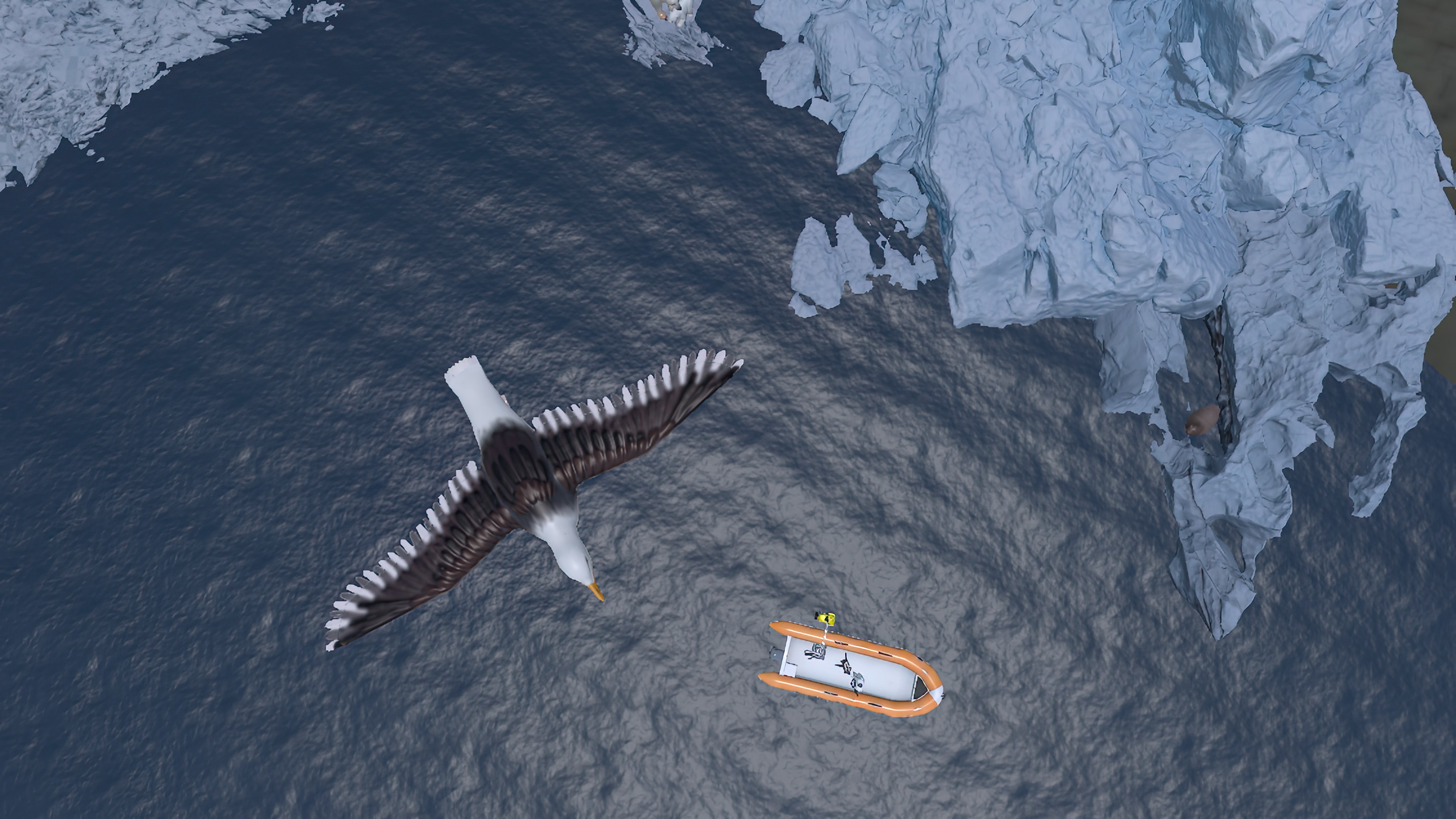
Through the XR4ED initiative, we’re creating ICEVR — Immersive Climate Change Education Through Virtual Reality — an immersive classroom experience that brings Arctic climate science to life. Students begin in a research base and step into interactive chapters, like a time-shifting fjord, blending hands-on 3D exploration, cinematic 360° video, and real-world scanned environments.

Built for classroom VR, ICEVR blends real 3D-captured environments with guided exploration, turning complex climate data and science into a clear, chapter-based story.
The Science
ICEVR turns current Arctic research into clear, classroom-ready stories. We gather datasets and findings from EU-funded projects — CHARTER, ECOTIP, and FACE-IT — and work with researchers to translate their results into interactive chapters and visuals students can explore.
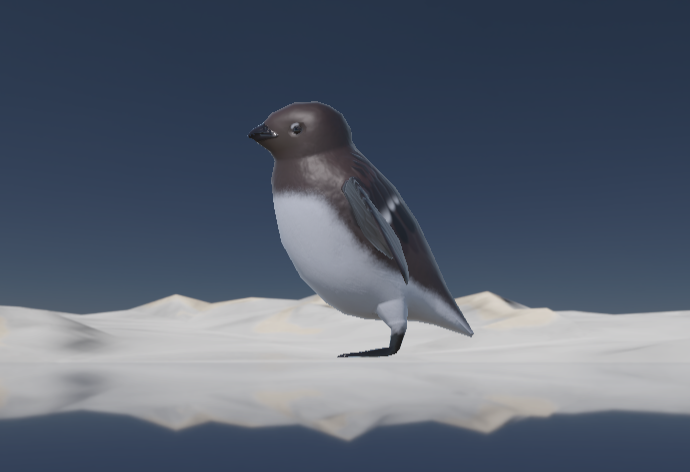
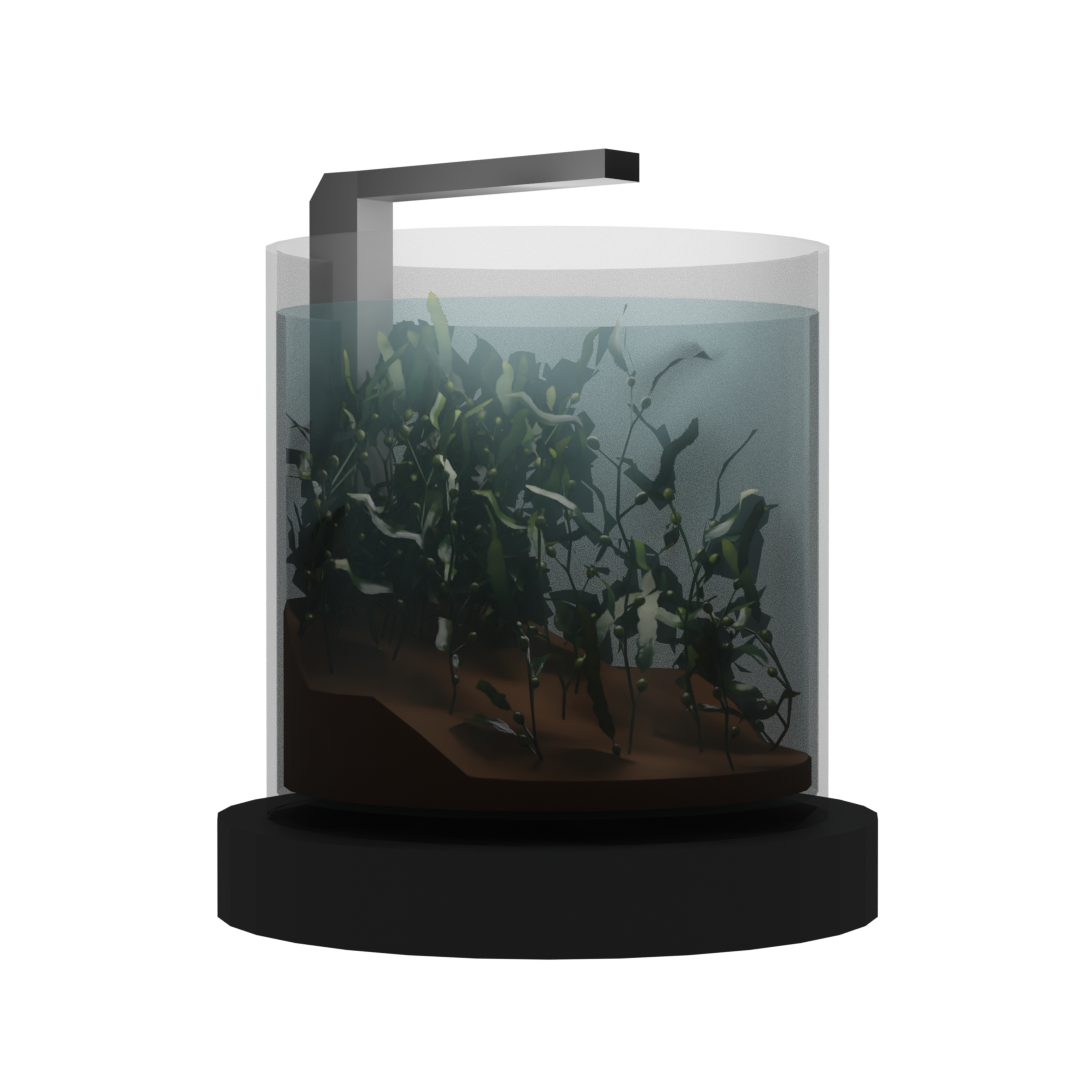
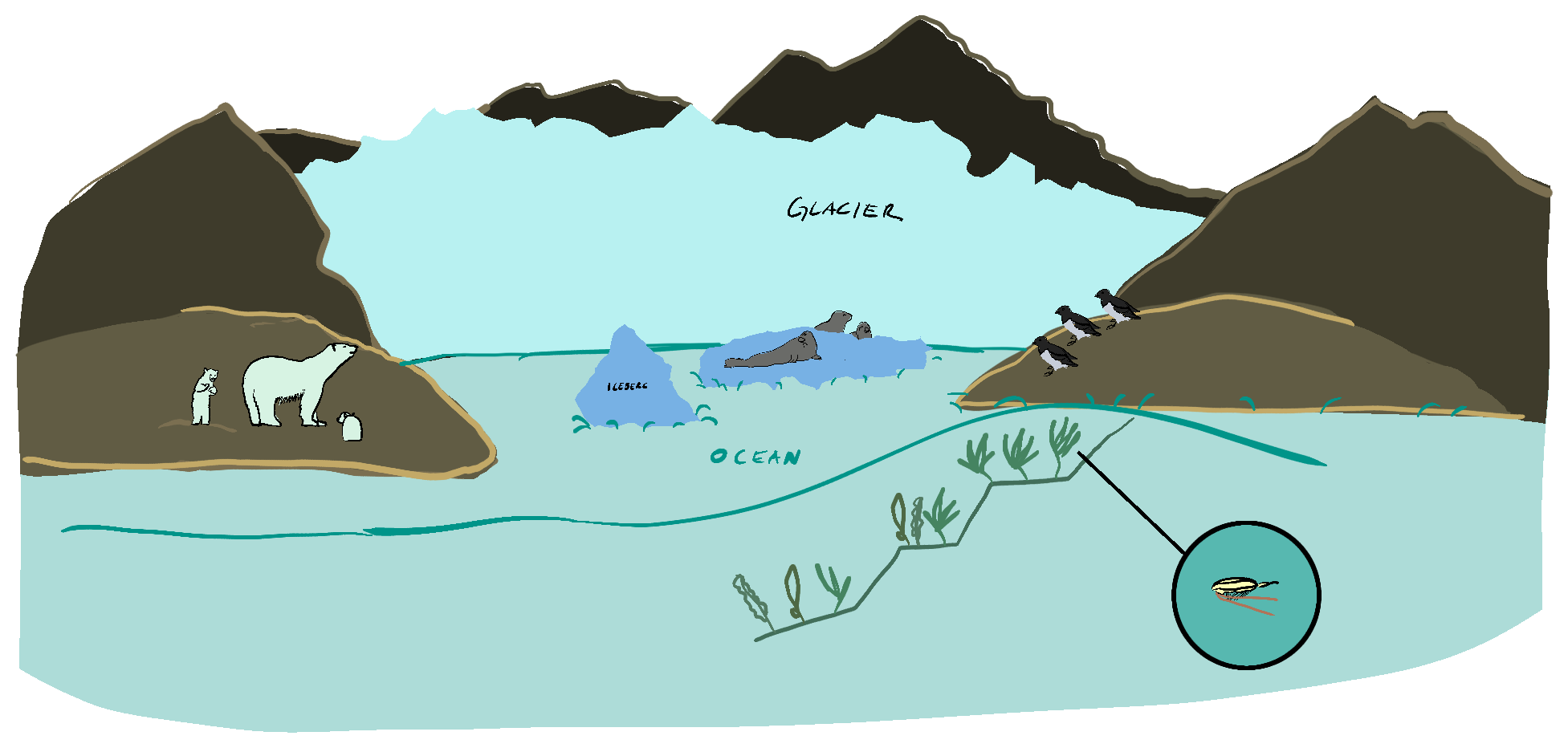
Inside the experience, evidence is shown through concrete scenes. In the “Fjord in Flux” chapter, students see how glacier retreat and sea-ice loss alter kelp forests and wildlife, and how warmer-water species replace Arctic specialists—linking local change to global consequences such as sea-level rise. We also include references to the underlying studies in-app, keeping the narrative accessible while staying faithful to the science.
.png)
.png)
.png)

Services we have provided
Story development
We specialize in developing stories for immersive formats, letting the audience step into the story and interact with it.
Immersive production
We capture, produce and publish content within all fields of the immersive space - from 360-video to interactive virtual reality.
3D and Reality Capture
We bring back high-resolution 3D assets from all over the world, using photogrammetry, lidar and reality capture.
User Experience
Built for VR in the classroom, ICEVR is a fully interactive experience with simple, controller-free navigation. Students move by selecting clear teleport spots and interact using hand tracking and gaze, lowering the barrier for first-time VR users in school settings. The journey is chapter-based: learners begin in the Arctic research base hub and launch focused chapters.
.png)
Pilots & Adoption
Early sessions with educators highlighted how the chapter-based flow and hand-tracking make ICEVR easy to run with first-time VR users. Teachers appreciated the clear learning goals, simple onboarding in the research base, and narrative cues that keep students focused. Our next step is classroom pilots across schools — bringing the Arctic, and the science behind it, directly into lessons.
Credits
"ICEVR is perceived as a highly engaging and promising VR tool for teaching climate-related issues, with clear potential for use across subjects like Geography, Biology, and Social Studies as it effectively visualizes complex, otherwise inaccessible phenomena. " - Mogens Laurisen, Edtech Flen
Get in touch
Do you want to learn more about immersive storytelling? Perhaps you already have a project idea?