exped.earth

IVAR Studios

In development

exped.earth is a series of interactive expeditions with AI narration. Each one is a real scientific campaign rebuilt as a 3D world you move through chapter by chapter, with an AI character who tells the story, answers your questions and only ever draws on that expedition's own research. The expeditions run in a browser and in VR, in Swedish and English, and are in invite-only beta today.

Request access at exped.earth →

We are looking for science partners with a field campaign to turn into the next expedition.

Get in touch →
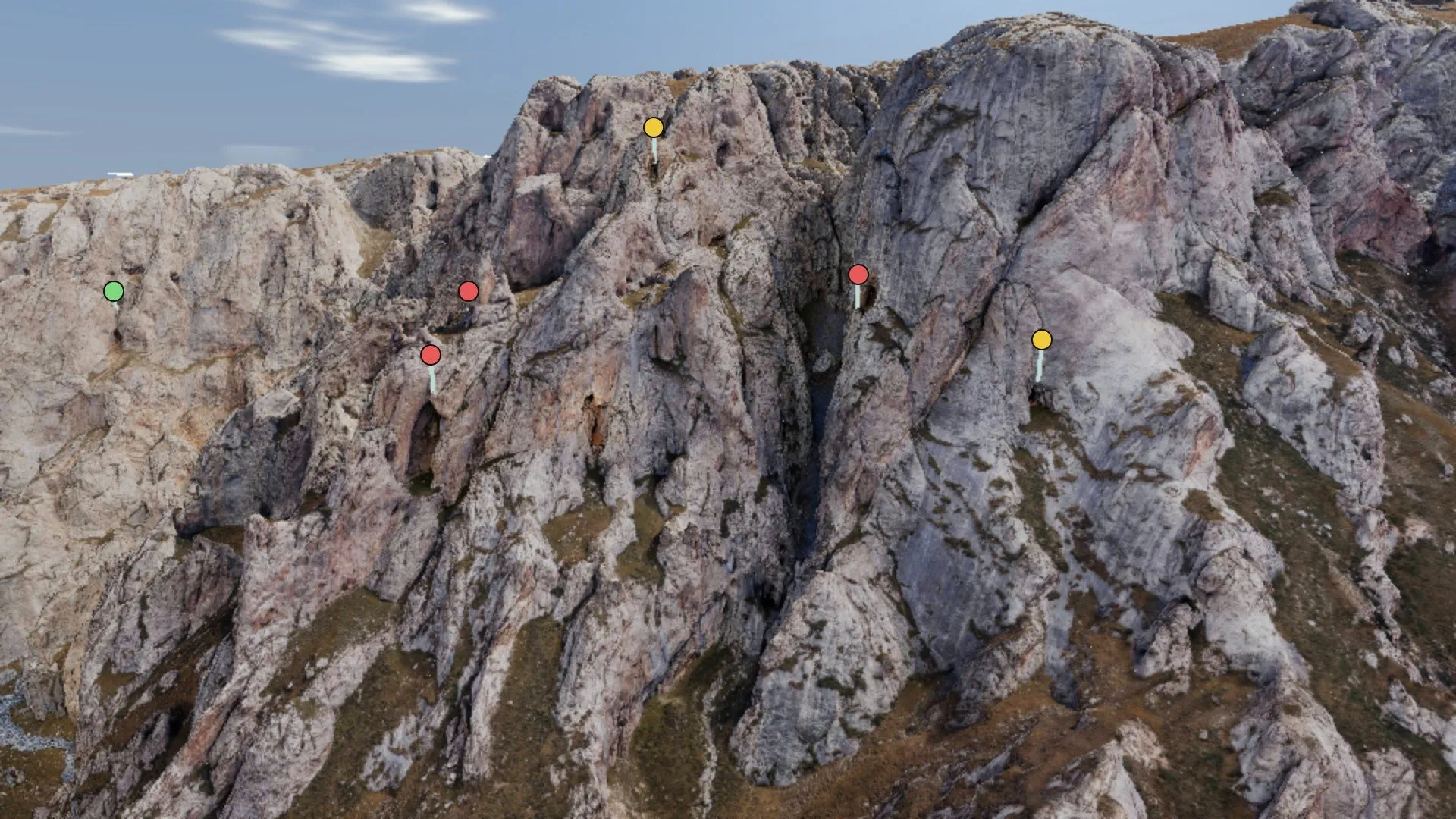
exped.earth highlight

Most people will never stand at the foot of a calving glacier or drop into a cave nobody has mapped. We want to take them there anyway, with a guide that has read the research.

Going into the field

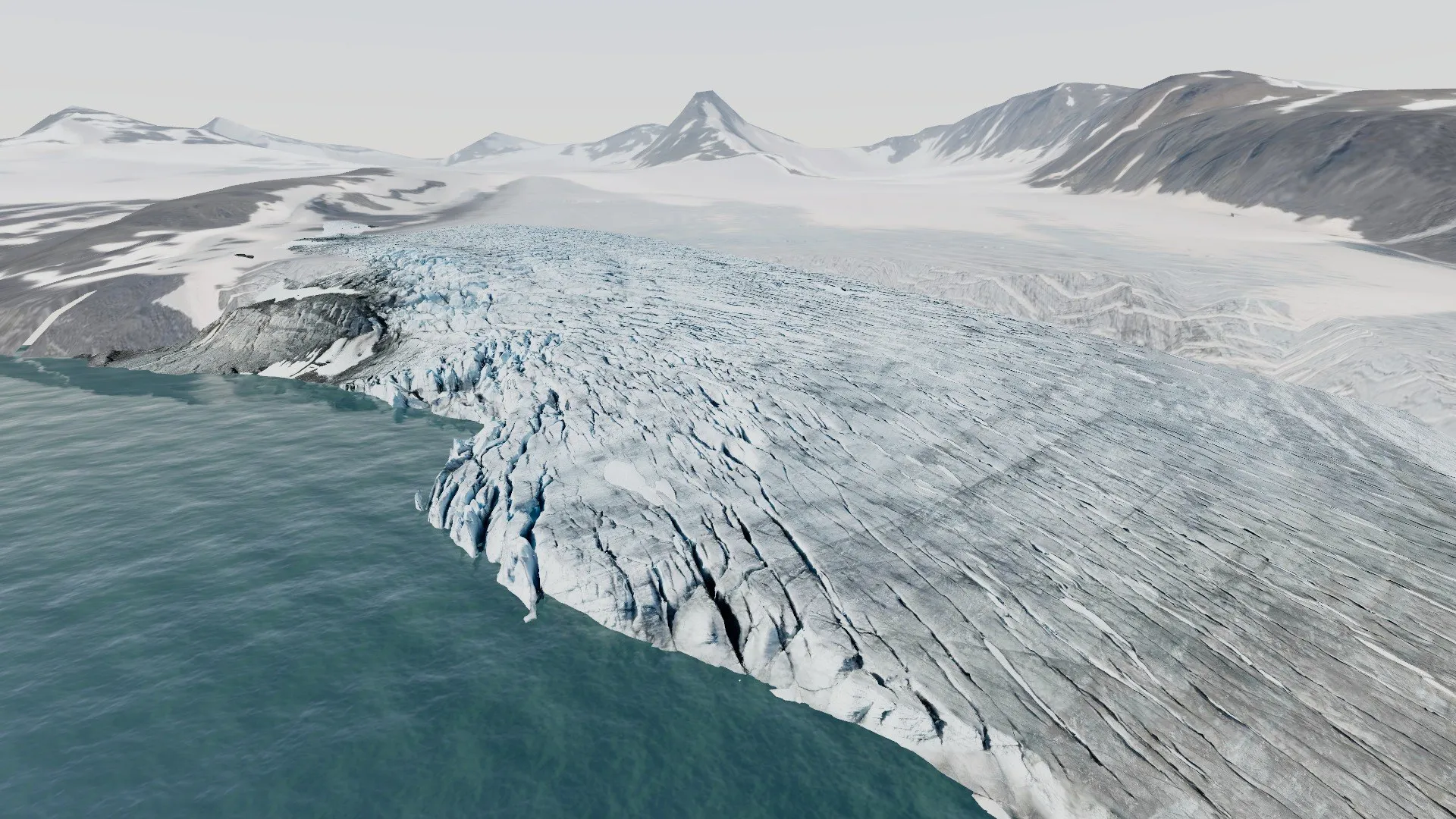
We bring people into the field: flying the scanned ice of Sálajiegna beside the robot boat that measured it, descending into caves in the Tien Shan first spotted from the air, diving from Askö Laboratory into the Baltic Sea, and, as an experiment with National Geographic Explorers, out onto Qikiqtaruk in the Arctic. Two expeditions are in beta, a third is in production.
Kok-Kiya, Tien Shan: from the cave mouth on foot up to the view the drones had.

Characters that drive the story

Every expedition has a character who travels with you: a guide over the glacier trained on the Sálajiegna campaign and polar research, one that knows how the Kyrgyz caves were mapped from the air, one being written for the Baltic. They have a voice and a way of talking, but they are honest about what they are: a guide program grounded in the research, never a person who was there. That honesty is the design. The characters attribute every finding to the scientists and the campaign. They adapt their register to the visitor, from ten-year-olds to specialists, in Swedish or English, typed or spoken. And they drive the narrative: ask where the river is, and the story goes there. Each expedition is a chapter with beats the character covers in order, so a conversation becomes the story rather than a detour from it.
"Where is the river?" The guide answers from the expedition's notes, and the camera leaves for the valley floor as the last word lands.

Seeing the science

The point is not to describe the science but to show it. Over Sálajiegna the crevasse field and the ablation zone are tagged features on the ice, so when the guide explains where the glacier loses its mass, the ice lights up where it happens. The calving event is staged where the survey boat recorded it. The Baltic's dead zone is the seabed you sink to. Every chapter carries its reference list: the field campaign, the papers, the reports. Ask the guide where a fact came from and it names the study and points you to the references, one tap away. Where the sources disagree, the expedition says so instead of picking one.
"Where did you get this info?" The guide cites the 2022 campaign and the paper it was published in; the references open from the menu.

Looking for science partners

We want to build the next expeditions with the people who do the fieldwork. A good starting point is a campaign with a place at its heart and material to build it from: drone photogrammetry, a sonar survey, a scan, a dataset with a story in it. We turn it into an expedition, write the character's knowledge with you from your own papers, and give you a beta link to test with the audiences you care about, from a classroom to a conference. What you get is a way to take a school class, a funder or the public to your site without a helicopter, and a guide that never oversteps your findings. What we get is the science we most want to tell.
Propose an expedition →

Built on field.tours

exped.earth is the showcase for the field.tours engine: the streamed worlds, the semantic tagging that lets a character point at the ice, the docked host and the VR path all come from there, and the expeditions are Custom stories on it. The engine has its own page. This one is about the places.
Read about the engine →

Impact

The expeditions are in invite-only beta with a handful of testers. We are actively looking for science partners with a field campaign to rebuild, institutions that want to bring audiences into the field, and funders for the next expeditions. If you have a place and the research to go with it, we would love to hear from you.
"We started exped.earth because the science we care most about happens in places almost no one gets to see. The dream is a school class standing at the calving front with a guide that has read every paper about it."

Martin Edström

Director